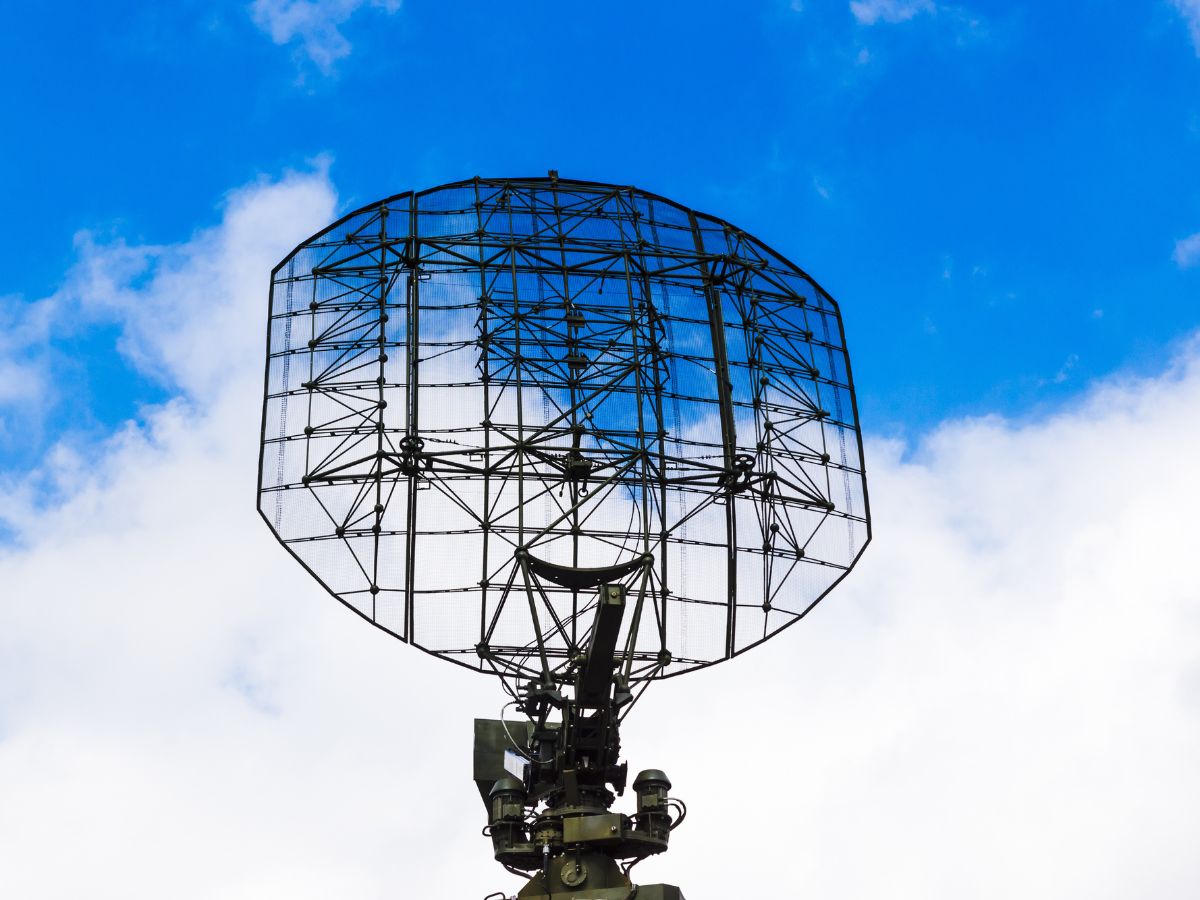
Gulf defense cooperation can deepen through clear missions, protected information, accountable exercises, and sustainable financing that respect national authority.
Strategy International highlights the publication of a new book chapter by our expert, Dr Minas Lyristis, Assistant Professor at the American University in the Emirates. His contribution appears in Religion and Politics: Middle Eastern Societies from the 20th to the...
Strategy International highlights the publication of a new article by our expert, Dr Minas Lyristis, Assistant Professor at the American University in the Emirates, and Prof Thomas Nektarios Papanastasiou of the University of Nicosia, UNIC Athens. The article, “Risk allocation...
Strategy International highlights the participation of our expert, Dr Minas Lyristis, in the 4th International Arabian Gulf-Security Conference (IAGSC), held on 7–8 October 2026 in Dubai and organised by the American University in the Emirates (AUE). Dr. Lyristis, an Assistant...
Strategy International highlights the publication of a new book chapter by our affiliate, Dr Minas Lyristis, titled “Defensive Realism, Geoeconomic Statecraft, and Riyadh’s Strategic Recalibration in Yemen.” The chapter appears in Economic Trends and Policy Responses in Times of Conflict...
Link to the book chapter published: https://www.igi-global.com/chapter/the-greece-saudi-arabia-axis-in-the-eastern-mediterranean/422350 Strategy International highlights the publication of a new book chapter by our affiliate, Dr Minas Lyristis , titled “The Greece–Saudi Arabia Axis in the Eastern Mediterranean: Balancing Beyond the Gulf.” The chapter appears...
Saudi Arabia's multipolar strategy makes intelligence exclusivity obsolete. Western services should preserve cooperation while firewalling their most sensitive capabilities.
Gulf states own advanced defenses, but fragmented command and warning networks prevent them from turning national arsenals into credible collective deterrence.
Saudi Arabia and the UAE are transforming energy abundance into strategic AI infrastructure. This "compute diplomacy" turns data centers into powerful geopolitical leverage.