
The author of this article is Dr. Cyril Widdershoven
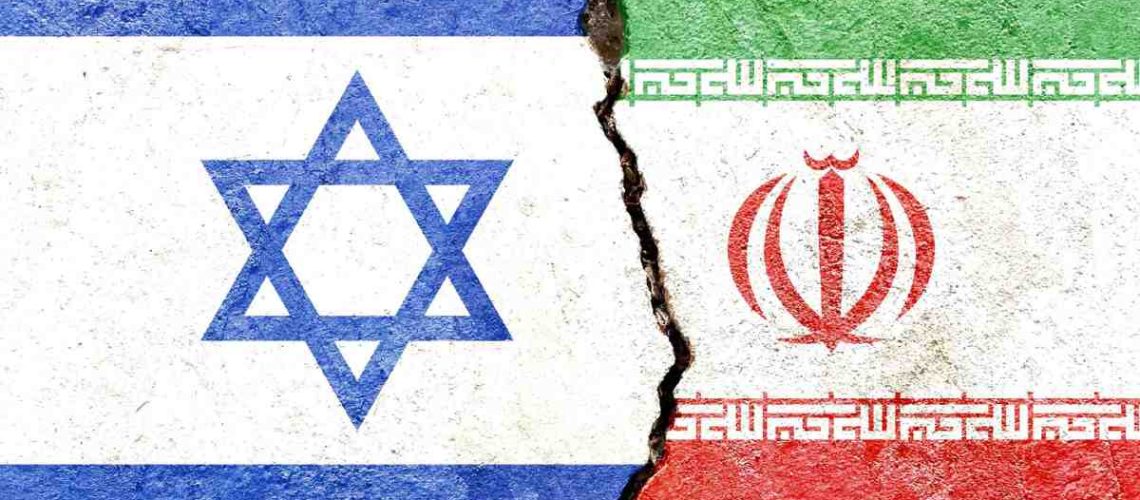
Iran’s ballistic missile attack on Israel on October 1 could push the Middle East into the abyss. Analysts are wondering about the Israeli answer to the unprecedented Iranian attack on Israeli cities in the last 24 hours, not about if Israel will react but how. Diverse scenarios are being presented in the media, as most are wondering if the Israeli government is going to target Tehran’s military capabilities or hit where it hurts: the Iranian oil and gas infrastructure. At present, oil markets are reeling, as the destruction of Iran’s oil and gas export capabilities will push not only energy prices up but also will be putting the world’s leading oil exporting countries in a corner.
A possible Israeli military action against Iranian military capabilities is to be expected, as Jerusalem has been showing its willingness to hit Tehran’s nuclear centers and IRGC infrastructure before. Some analysts even are expecting that the Israeli secret services are planning the assassination of Iran’s leading power broker, Ayatollah Khamenei, and the leadership of the Iranian Revolutionary Guards (IRGC), which is the primary basis of not only Iran’s mullah regime but also the supporter of Lebanon’s terrorist movement Hezbollah and Hamas. Both options will be on the table in the ongoing meetings of the Israeli security and political establishment, but one target is much more valid at present.
The Iranian regime is heavily dependent on its internal power position and regional ambitions on the revenues of the oil and gas sectors.
Without the multibillions pouring in to sustain its domestic powers and supply terrorist organizations worldwide, the mullahs will be facing increased internal instability.
For Israel, the choices are clear: the declaration of war between Iran and Israel has been received, even though the impact of the 181 ballistic missiles has been minimal, as Israeli cities or the national infrastructure players have not reported damage. The combination of the Iron Dome and the Arrow anti-missile systems has been very effective, with the assistance of US and British capabilities simultaneously.
As Israeli officials have made clear in the last hours, Jerusalem will be acting swiftly, with a “significant retaliation” to Tuesday’s massive missile attack. Some Israelis have already been openly stating that Iran’s oil and gas production infrastructure will be targeted, but other sites are also being considered. A combination of the destruction of Iran’s hydrocarbon export and production infrastructure while hitting power stations and military sites is not out of the reach of the Israeli military. It is to be expected that the Iranian ballistic missile strike will not be met with the same cautious approach as was in April when Iran attacked with missiles and drones. Israel’s response at that time was muted, only showing Tehran its capabilities by destroying an S-300 air defense battery in Iran, which was very close to one of Iran’s nuclear development centers.
Israel’s Prime Minister Netanyahu stated, “Iran made a big mistake tonight, and it will pay for it.”
In the coming hours or days, an intense discussion will be held inside the Israeli security establishment and with the US Biden Administration. Even though Washington officially calls for restraint or even tries to negotiate a truce, calls inside the Biden Administration and the Republican Party are clear. If needed, Washington will be behind Israel if a large-scale attack on Iran is instigated. The discussion at present inside Israel is centered around two significant options. Hitting Iran’s military capabilities, trying to remove Tehran’s military capacities and its nuclear program, or hitting where it will hurt the regime in the long-term, its oil and gas sector.
For outsiders, an Israeli attack on Iranian oil and gas is more significant than the reduction of the country’s military capacity. By removing a vast amount of crude oil and gas from the global markets, oil markets will reel, while prices could spike significantly. After almost a year of no real impact on oil and gas prices, the ongoing Middle East conflicts could finally push prices up. A material disruption of oil and gas supplies is on the horizon, mainly if Israel targets the main Iranian export outlets, such as the Kharg Oil Terminal. The export facility, located on Kharg Island in the Persian Gulf, some 25 kilometers off the coast of Iran, holds around 90% of Iran’s total oil exports. At the same time, Iran’s existing crude oil and export infrastructure is prone to attacks. Its existing offshore operations, partly next to Qatar, are also a straightforward target, via air and (sub) sea.
The Israeli Air Force (IAF) and the Israeli Defense Forces (IDF) are more than capable of destroying not only the export facilities, refineries, and production sites, but with the use of potential bunker busters, could have a long-time impact on the recovery of production also. Without any question, Israeli special forces are already on site, in combination with Iranian assets.
A potential Israeli attack could remove around 4% of the global oil supply, which potentially could push prices to above $100 per barrel. Crude oil price reactions are still muted, showing a significant increase, but no real spikes have been witnessed. The underlying reason is that global oil markets are slightly saturated when looking at demand and supply but seem to forget shallow crude oil and petrochemical storage levels. Some, however, are also looking at OPEC, as the kingpins (Saudi Arabia, Abu Dhabi) are currently sitting on high spare production capacity levels. A loss of 3+ million bpd could be countered by additional production and export hikes of Saudi Arabia (Aramco) and Abu Dhabi (ADNOC). Where, however, the real crunch at present will be how Iran will react to a possible Israeli attack on its main economic artery. According to Iran’s government, in 2023-2024 (March-March), it gained $35 billion from oil exports.
It can be expected that Iran, looking at Israeli capabilities, will not hit back directly but will try to engage its Arab neighbors in the conflict. Potential Iranian aggression against Saudi’s Eastern Province (mainly Shi’ite), but holding almost all its oil reserves and Abu Dhabi’s offshore oil and gas assets, is to be expected. Nearly all Gulf-based hydrocarbon exports to world markets are within reach of Iranian missiles or IRGC navy capabilities.
Oil market analysts and financial speculators still believe in their Algorithms and Excel sheet-based geopolitical analysis. The heat is on; historical facts used by oil markets are not of any real value if Israel is taking the chance to remove them for a long time, the Iranian threat. With Iran holding an oil output of around 3.277 million barrels per day, of which around 50% is being exported, any military action will have a Tsunami effect. The latter is essential to Asian markets, as most of Iran’s exports are from China and India.
Overall, the world is waiting for more clarity. Israel’s reaction will be vital.
In the calculations of the Israeli establishment, it is clear that the Clear and Present Danger of Iran is not only there but needs to be dealt with. Fighting a four-front war (Hamas – Hezbollah – Houthis – Iran) is, in the eyes of Jerusalem, already in place, not something new. Iran’s missile attack has now made it clear that Tehran is directly engaged in the war with Israel, not only its struggling Axis of Resistance militias. Oil market analysts should realize that the window of opportunity for Israel to remove Iran as a threat to its survival has never been as promising. Tehran’s move to attack Israel will force Washington (Biden) to stay and support any Israeli military action. The ongoing US presidential election conundrums have also weakened the Biden Administration’s capabilities to pressure Netanyahu’s government. Any US pressure on Israel will cost Kamala Harris points.
Some Western analysts are even supporting an attack on Iran, as the latter not only threatens Western interests in the Middle East but also is a strong supporter of the Russian war machine currently engaged in Ukraine. Removing Iran’s oil flows is also a potential hit for China and its consorts. It seems like a win-win situation for Israel to act right now.
