
1. Introduction
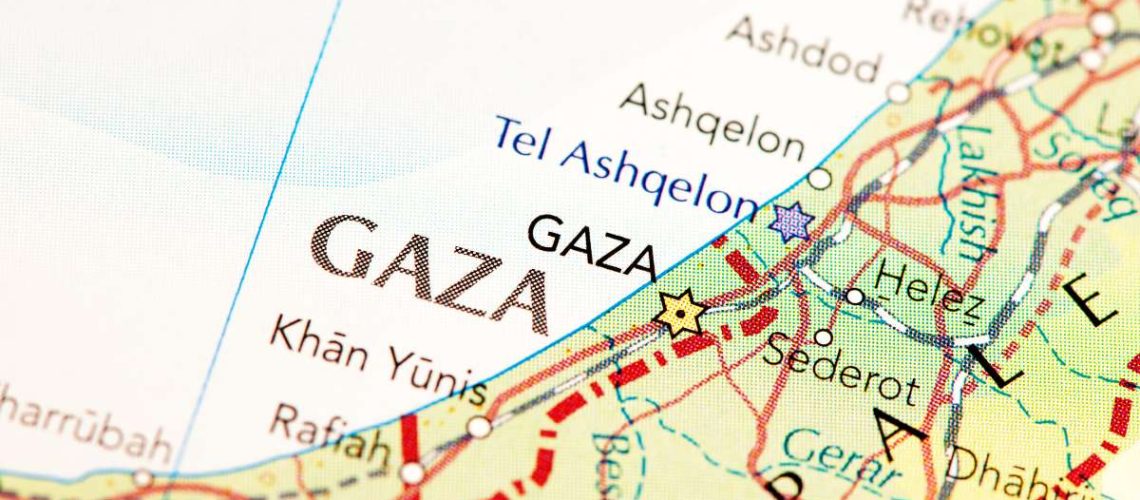
The 2025 ceasefire in Gaza, mediated through Egypt, Qatar, and the United States, represents a fragile pause in one of the most volatile conflicts of the Middle East. For Cyprus and Greece, the situation holds both geopolitical and humanitarian significance. Their proximity to the region, combined with growing diplomatic, logistical, and economic capabilities, places both countries in a position to play a constructive and strategic role. This paper briefly assesses the realities of the ceasefire, proposes innovative ideas such as a Mediterranean Gaza Corridor, and presents a short cost-benefit analysis with lessons and forward options.
2. The Reality of the Ceasefire
Although the ceasefire has been declared, its implementation remains fragile. Minor hostilities persist, and Israel continues to emphasize demilitarization of Hamas as a prerequisite for stability. Humanitarian access remains constrained, and trust between parties is low. The ceasefire thus exists as a temporary mechanism to prevent escalation rather than a sustainable peace framework.
3. The ‘Mediterranean Gaza Corridor’ Concept
Cyprus and Greece could jointly promote a ‘Mediterranean Gaza Corridor’—a humanitarian, commercial, and reconstruction route linking Gaza through Egypt to Eastern Mediterranean hubs. The corridor could:
• Use Cypriot and Greek ports as logistics hubs for aid and reconstruction supplies.
• Offer EU-backed transparency systems to ensure Israeli security interests are respected.
• Foster regional employment and renewable energy projects connected to Gaza’s rebuilding.
4. Short Cost-Benefit Analysis
|
Potential Benefits |
Potential Costs / Risks |
|
Enhanced geopolitical role for Cyprus and Greece in the Eastern Mediterranean. |
Exposure to instability if the ceasefire collapses. |
|
Economic benefits through reconstruction logistics, trade, and infrastructure contracts. |
Financial losses if operations are disrupted or politically constrained. |
|
Improved relations with Israel, Egypt, and the EU via mediation and trade initiatives. |
Potential political backlash from regional actors opposed to Israeli engagement. |
|
Soft-power and diplomatic image strengthening in humanitarian and mediation roles. |
Operational risks in volatile zones and limited long-term guarantees. |
5. Lessons to Be Learned
1. Regional diplomacy must combine security guarantees for Israel with tangible humanitarian aid for Gaza.
2. Transparent monitoring systems are essential to ensure that aid and reconstruction materials are not misused.
3. Cyprus and Greece can build influence through sustained engagement, not episodic diplomacy.
4. Economic diplomacy—through logistics, education, and green energy—can reinforce political stability.
6. Forward Options
• Establish a joint Cyprus-Greece ‘Gaza Reconstruction Taskforce’ to coordinate private and public initiatives.
• Host an annual ‘Mediterranean Peace and Reconstruction Forum’ in Nicosia or Athens under EU auspices.
• Integrate renewable energy cooperation into Gaza rebuilding projects, aligning with EU Green Deal principles.
• Support training programs for Gazan youth in technical and engineering fields in Cypriot and Greek institutions.
• Leverage EU and multilateral funding to operationalize the Mediterranean Gaza Corridor concept.
7. Conclusion
The Gaza ceasefire of 2025 remains a precarious truce rather than a definitive peace. However, it opens a strategic window for Cyprus and Greece to expand their diplomatic and economic footprint. By advancing the Mediterranean Gaza Corridor, both nations can translate proximity into influence—combining security awareness with developmental pragmatism, while balancing regional sensitivities and supporting Israel’s legitimate security concerns.
References
Brookings Institution. “What Could the Israel-Gaza Deal Mean for the Middle East?” October 2025. https://www.brookings.edu.
Associated Press. “Israel Halts Aid to Gaza after New Clashes.” October 19, 2025. https://apnews.com.
The Guardian. “Palestinians in Gaza Fear Ceasefire Could Collapse at Any Moment.” October 19, 2025. https://www.theguardian.com.
Times of Israel. “Hamas Isn’t Acting Like a Defeated Force—Which Puts the Entire Gaza Ceasefire at Risk.” October 2025. https://www.timesofisrael.com.

